
Fast Payouts in Canada: Comparing E-Wallets, Cards, and Bank Transfers
October 27, 2026Pengearshop: How to Keep EDC Gear Organized
October 27, 2026Online poker for real money in Australia is easier to navigate than many players expect. A strong lobby does more than list Texas Hold’em and Omaha: it shows game stakes, table sizes, waiting times and active tables before commitment. This walkthrough examines how a well-organised catalogue helps adults move from browsing to sitting confidently, while keeping regional rules, identity checks and responsible limits firmly in view.
Finding the Right Games and Tables

A useful poker lobby answers three immediate questions: What can I play? Who is at the table? What does it cost to join? Players should see cash tables grouped by variant and stake, with clear AUD minimums and buy-in ranges. Tournament filters ought to distinguish single-table, deep-stack and multi-table formats rather than burying that information beneath vague “featured” labels.
For Australian users, filters may also include timezone and table size. That matters during an arvo session when a six-handed game might be a better fit than a crowded ten-handed table. Search should work across game names and stake levels, and favourite buttons should persist between visits. A polished interface is not merely decorative; after several hands, it reduces the friction of finding another suitable table.
Lobby presentation should also expose practical status information, such as “seeking players”, “full” or “starting soon”. Precise seat and blind details help bankroll management, while responsible-play tools belong close at hand – not buried in account settings. No interface can remove poker’s uncertainty, but clearer information prevents avoidable mistakes.
Reading the Lobby Before Playing
A beginner-friendly poker catalogue makes each meaningful decision visible before joining. Think of this as helping a mate settle in for their first night: identify the format, check the numbers, then choose only what suits their comfort and budget.
Start with a familiar format
Begin by locating Texas Hold’em, the central game at most Australian-facing poker catalogues. Look for cash-table tabs or a clearly labelled tournament lobby. Beginners often benefit from low-stakes cash play because each hand has a defined cost and the pace is easier to pause.
A separate filter should reveal Omaha variants without mixing their betting rules into the Hold’em explanation. Some catalogues use colour or icon differences, but plain labels are more useful. Players should be able to confirm the minimum buy-in, maximum buy-in and average pot in Australian dollars. If those figures are absent, the table is not ready to join responsibly.
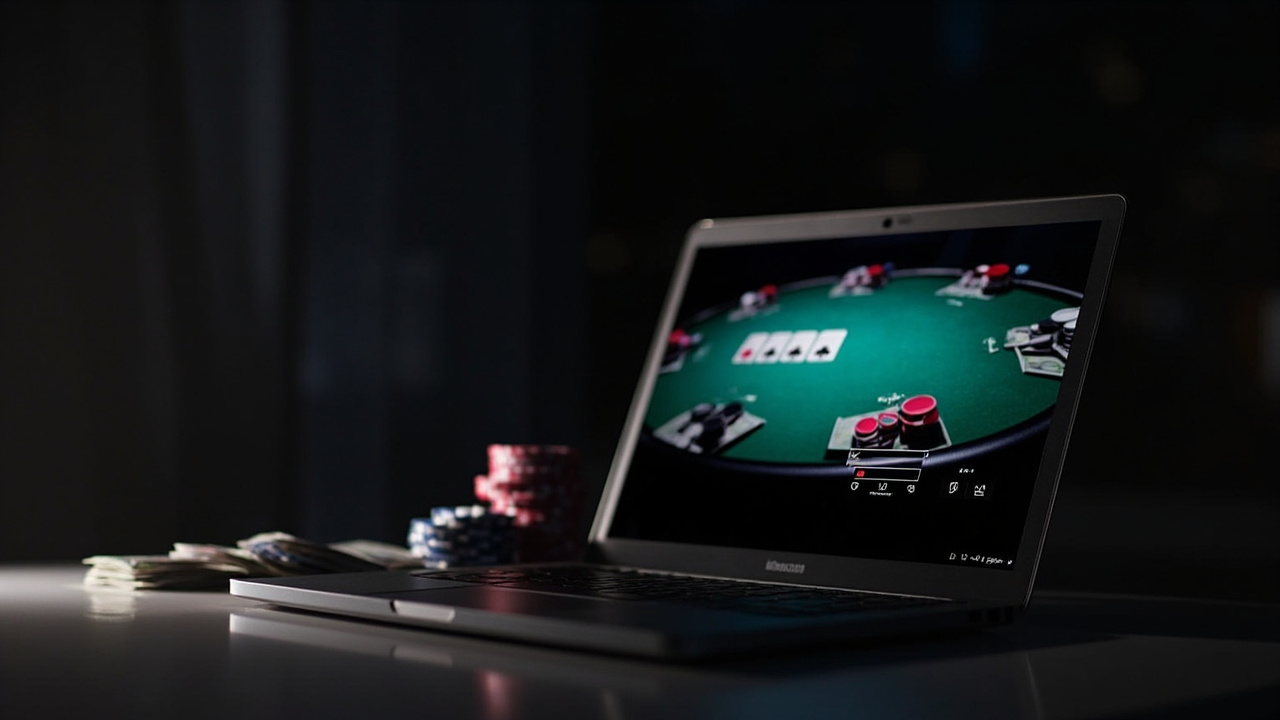
Compare the live table picture
Once the correct format is selected, compare active tables rather than judging by the first result. Six-handed and nine-handed tables offer different dynamics, while two tables display several active participants. Look for recently started hands, average pot size and the number of seats still available.
The catalogue should make waiting conditions clear too. Some players prefer a full table that is ready to start; others willingly enter a “needs players” table and may need to use the sit-out feature. This distinction should appear before entry, not as a surprise after funds are committed. No worries: waiting for a suitable game is better than rushing into an unsuitable one.
Use search without overcomplicating it
Search functions best when a player can enter a stake, table size or variant and receive a narrow set of results. Category chips should be easy to clear, and the catalogue should retain the chosen AUD denomination between sessions. Mobile layouts also need readable table names and controls; tiny filters are frustrating on a phone.
A strong lobby may highlight selected games or providers, but featured placement should not replace practical filters. In my experience building gaming floors across Aristocrat and Ainsworth environments, presentation earns its keep when a first-time visitor can understand the offer without instruction. The same standard applies here: hierarchy must serve choice, not merely push the biggest banner.
Choosing the Catalogue That Fits Your Play
The best fit depends on playing rhythm, bankroll and preferred rules – not on the largest promotional headline. A regular cash player may prioritise fast table filters, active-seat counts and clear stake ranges. A tournament player needs start-time alerts, format details and buy-in visibility. Someone alternating between devices needs favourites, remembered settings and a mobile interface that preserves those choices.
Cash-table player
For cash games, seek a catalogue that separates limits cleanly and shows whether a buy-in is minimum or maximum. “From $2” is less useful without a corresponding cap because it tells only half the bankroll story. A useful comparison is:
| Player preference | Catalogue detail to check | Practical reason |
|---|---|---|
| Casual cash sessions | Low-stakes Hold’em and table-size filters | Keeps individual-hand exposure manageable |
| Bigger pots | Active seats and average-pot information | Indicates whether stronger action is available |
| Short sessions | Live status and estimated waiting conditions | Helps avoid joining an idle table |
| Mobile play | Saved favourites and responsive filters | Preserves the same choices across devices |
Live table content should support the poker floor rather than distract from it. A modest selection of dealer-led or streamed cash tables can suit players who enjoy a social rhythm, provided the rules, stakes and minimum buy-in remain explicit. Slots should not dominate the poker catalogue; they belong in a separate, clearly labelled section if offered.
Tournament player
Tournament users should be able to filter by format, buy-in, seats per table and start time. The catalogue must distinguish scheduled tournaments from satellites, sit-and-go events and deep-stack games. A displayed prize pool alone does not explain the buy-in or payout structure, so those details should be available before registration.
Registration ought to show the buy-in in AUD and request confirmation before selecting a seat. Payment methods may include bank transfer, card and an eligible digital-wallet option, but the final mix should appear clearly during sign-up. Avoid assuming an offshore operator is licensed or regulated in Australia; players must confirm any operator’s legal status and comply with applicable NSW and Australian requirements.
Mixed-format player
Some players want Hold’em cash tables one day and a single-table tournament the next. A mixed catalogue can serve both if the navigation remains distinct. Poker categories should not compete visually with slots, live casino games or promotional tiles that resemble game buttons.
For a comparable operator interface, the gates of olympus 1000 max win exclusive is an unrelated example and should not be mistaken for a poker recommendation. The relevant catalogue test is simpler: can a player isolate their preferred game, understand the cost and return to that filter without hunting?
Support, Banking and Player Safeguards
Before depositing, inspect the payment screen. Amounts should use AUD consistently, while deposit limits, withdrawal requirements and verification status should be visible. A claimed poker bonus needs its wagering conditions stated in plain language; a headline reward without the qualifying turnover is incomplete information.
Identity checks are part of the process, not a hurdle to bypass. Adults in New South Wales should use accurate details, follow local restrictions and never attempt to circumvent geolocation controls. Support should explain table rules, payment queries and responsible-play options through clear Australian-English wording.
Set a bankroll limit before playing. Good lobby design makes that boundary easier by exposing buy-ins before commitment, but the player remains responsible for every decision. Avoid chasing losses, treat poker as entertainment rather than income, and step away if the session stops feeling controlled.
A Catalogue That Respects Player Choice
The right online poker for real money lobby balances breadth with clarity: familiar Hold’em and Omaha options, precise stakes, useful table details, honest bonus terms and strong mobile navigation. It should help adults make informed choices without disguising risk or implying that poker is easy money.
Start with a small stake, inspect the table information, verify the operator’s standing and set a firm loss limit. Used carefully, a well-organised catalogue makes the experience more transparent – not safer by default, but easier to manage on your terms.